1,100 m of Facade Neon Flex Without a Single Visible Colour Step
How a 4-hotel facade programme kept 1,100 m of silicone neon flex inside SDCM 2 across 14 production lots, and cut site rejects from 9% to 0.4%.
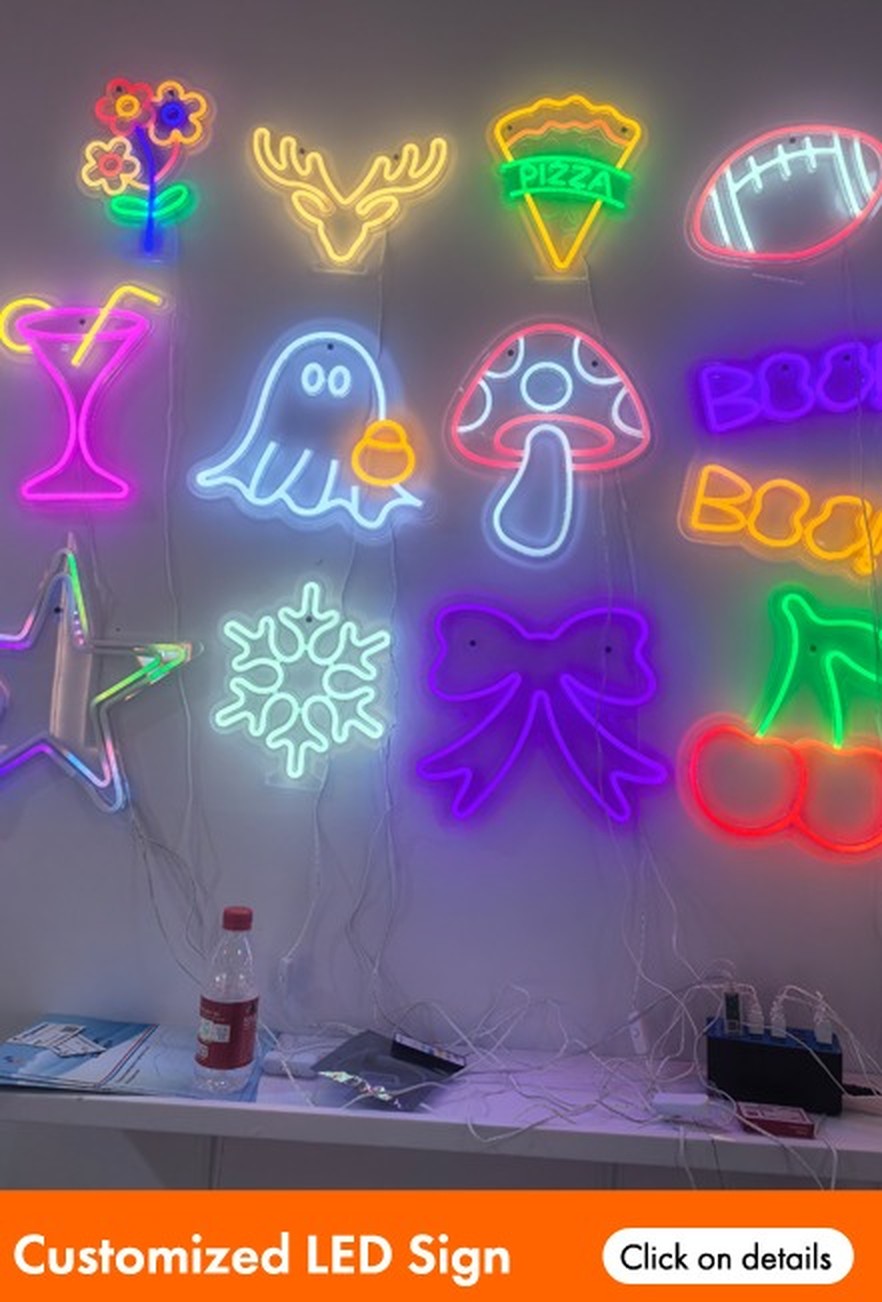
A hotel group was refurbishing four facades in phases and had been quoted neon flex from three suppliers, none of which could guarantee a colour match between phases six months apart. HFY LED built 1,100 m of 8×16 mm silicone neon flex from a single die bin, held the whole programme to SDCM ≤ 2, and reduced site rejects from 9% to 0.4% by pre-forming every curve on a jig.
The starting condition
Each facade is a 280 m outline with 14 radius changes between 35 mm and 120 mm, installed 22 m above ground on a fixed scaffold programme. The original specification named a standard 3000 K neon, but the first two phases, bought from different suppliers, produced two visibly different whites where the wings met. Re-cladding the junction was quoted at $34,000 per site and would have required re-erecting the scaffold.
Constraints
| Total length | 1,100 m across 4 facades, 14 lots |
|---|---|
| Colour consistency | SDCM ≤ 2 across the whole programme |
| Bend radii | 14 radii from 35 mm to 120 mm |
| Ingress protection | IP67, coastal environment |
| Install height | 22 m, fixed scaffold windows |
| Programme | 4 phases over 14 months |
Measured results
- Site reject rate
- Worst lot-to-lot Δuv
- Junction rework avoided
- Install time per facade
What we changed, and why
- One die bin for the whole programme The 1,100 m was reserved against a single die bin at the start, with the phosphor batch held for the full 14 months. Reserving material 14 months ahead is unusual and costs a holding premium, but it is the only way to guarantee a match across phases when the alternative is a $34,000 re-cladding at each junction.
- SDCM 2 rather than SDCM 3 The tighter bin was specified because the two facades meet at an external corner where the strips are seen side by side from the lobby. At SDCM 3 the measured Δuv between lots reached 0.003, which is visible at that viewing angle; at SDCM 2 the worst pair measured 0.0014, which is not.
- Pre-forming every radius on a jig Each of the 14 radii was formed on a plywood jig at the factory and heat-set before packing, with the bend direction marked. Site bending was the cause of the 9% reject rate on the previous phases: installers bent below the rated radius, the phosphor cracked, and the dark spot appeared two months later.
- Potted glands, not taped ends Coastal air carries salt, and the previous supplier sealed the cable entry with tape. Every assembly here was potted and pressure-tested at 0.3 bar for 60 seconds, then packed with a numbered lead matching the layout drawing so site wiring was a plug-in step.
“The colour match was the commercial risk, not the price. Holding one bin for the whole programme is what made the phasing possible.”
Project director, Hotel group, United Arab Emirates — Hotel group, 4 properties
Where this approach stops working
This approach depends on a single die bin being available for 14 months, which we can commit to above 800 m. Below that volume the holding cost dominates and we would instead recommend a single production lot shipped once and stored on site — a smaller, cheaper version of the same idea.
Parts and process
Products used in this programme
COB LED Strip
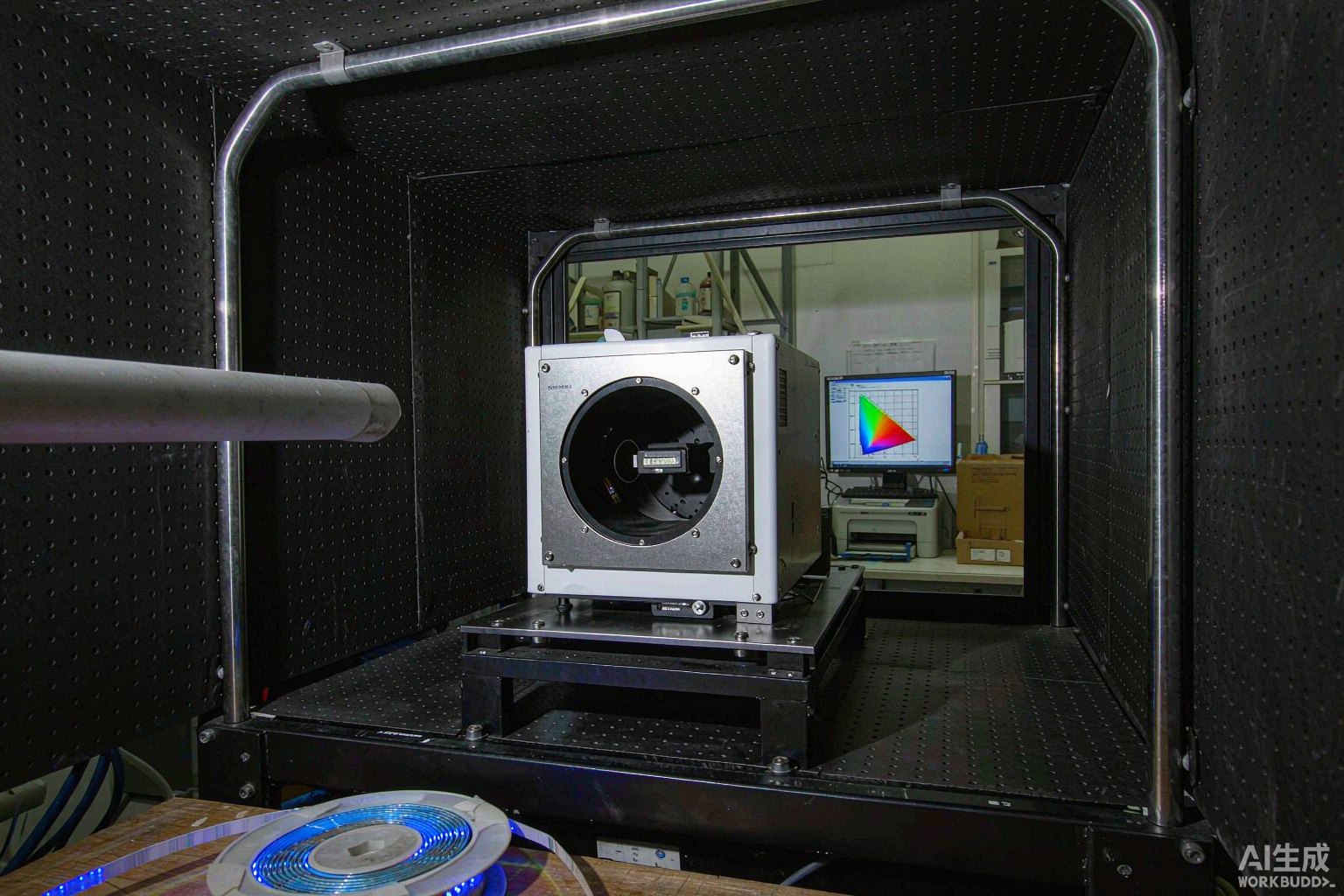
A COB LED strip is a flexible linear light source in which bare LED dies are bonded directly onto the FPC and sealed under one continuous phosphor layer, so the light is dot-free instead of showing individual emitters. HFY LED builds COB strips at 320, 480 and 504 chips per metre on 24 V, delivering 8–15 W/m at CRI 90–95 with SDCM ≤ 3 colour consistency, in reels from 5 m to 50 m and sealing from IP20 to IP68..
View productSilicone Neon Flex
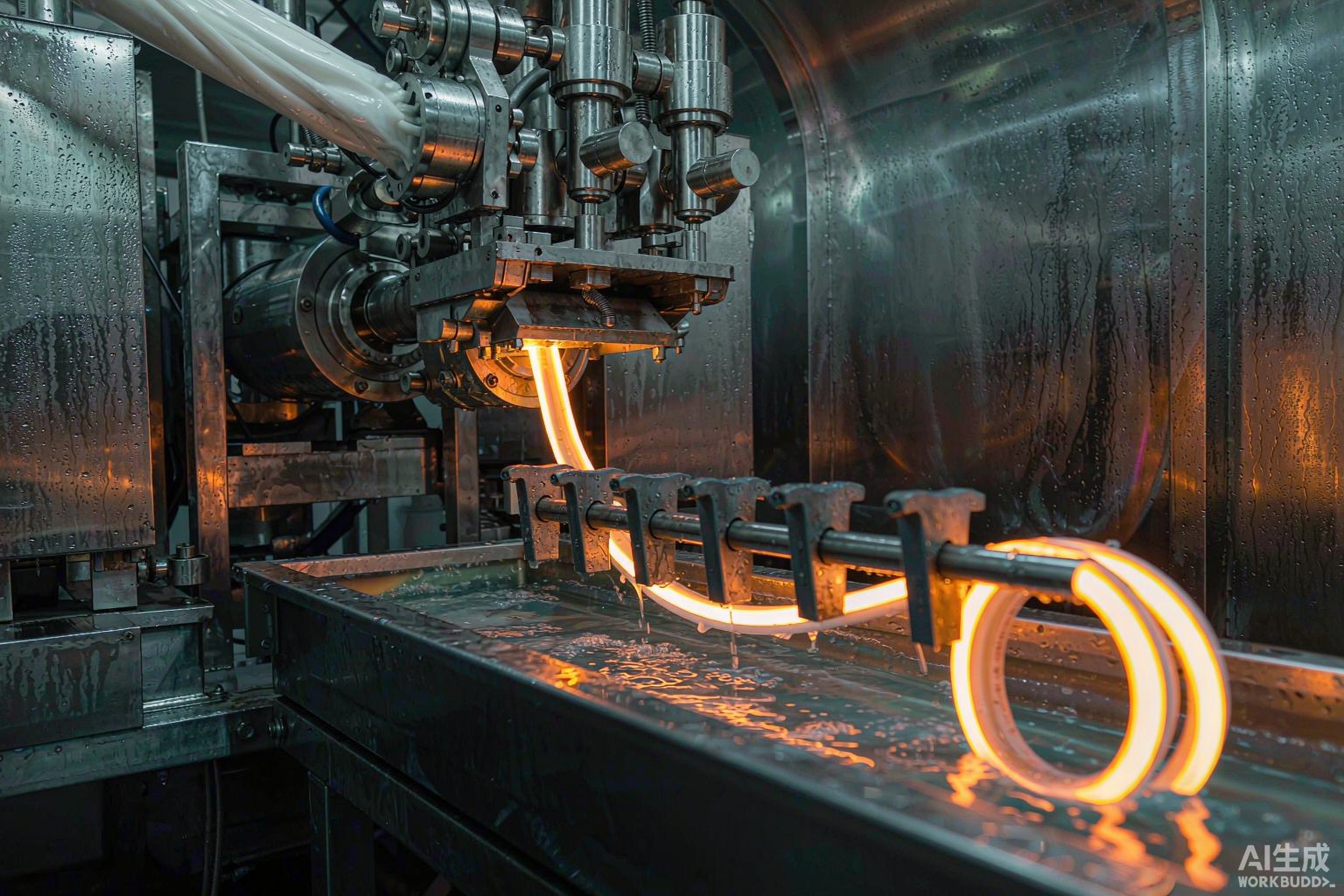
Silicone neon flex is a flexible linear light in a solid silicone profile that diffuses the LED source into an even, continuous line while sealing the electronics to IP67. HFY LED extrudes neon flex in 6×12 mm, 8×16 mm and 10×20 mm profiles on 12 V or 24 V, at 5–12 W/m, in top-bend and side-bend versions, from 2700 K to 6500 K plus RGB and RGBW..
View productLightbox Modules: 22% Fewer Modules at Higher Uniformity
Read case studyRetail Shelving Rollout: CRI 95 Strip Across 180 Stores in 11 Months
Read case studySend a specification, get a quotation in 24 hours
Tell us the product type, run length, wattage, CCT, CRI and IP rating. You will receive a fixed price, a lead time, and the feed and driver arrangement in writing — no obligation, and no sales call unless you ask for one.