
Case Studies
Each study states what was failing, what we measured, what we changed, and what happened — including the cases where a different process, or a different supplier, was the right answer.
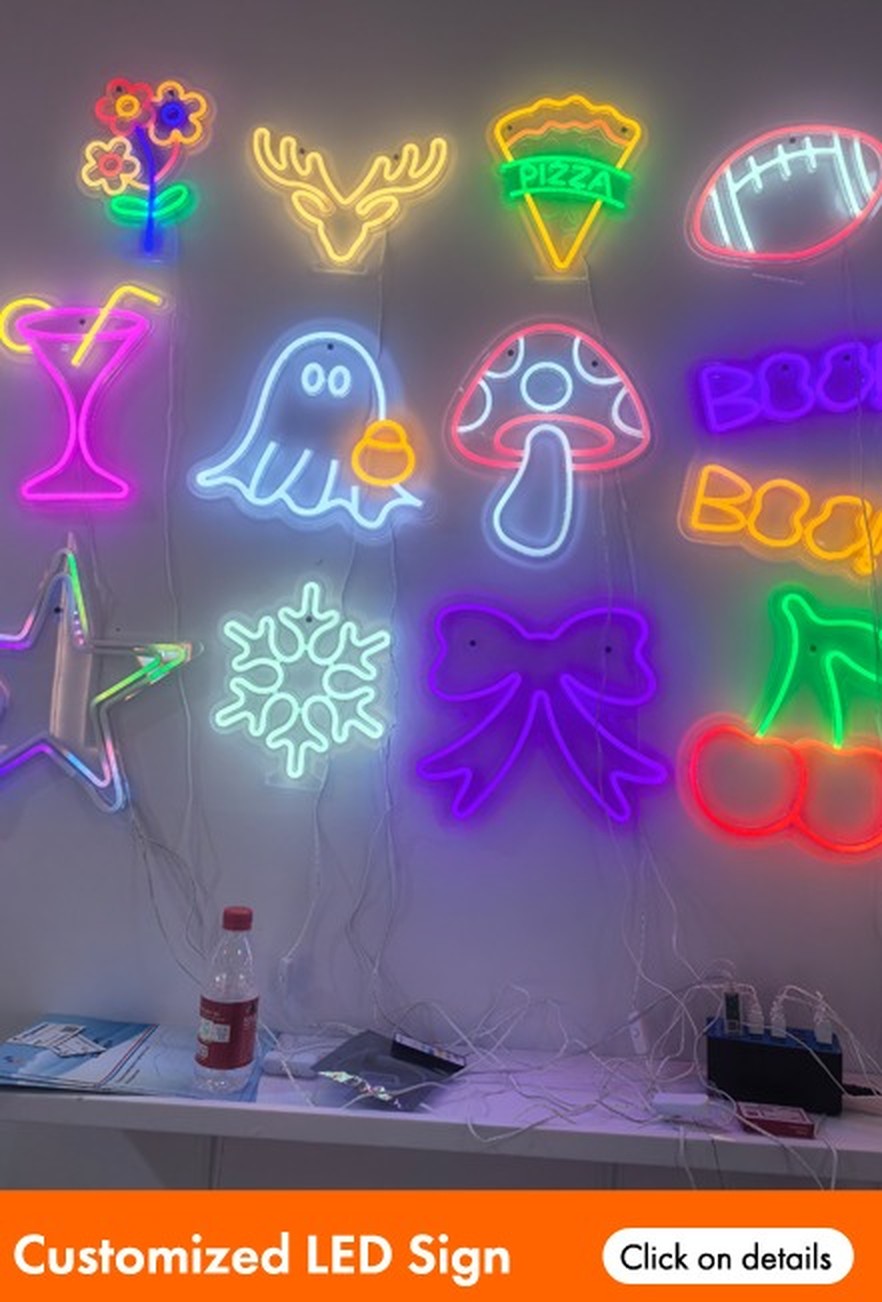
1,100 m of Facade Neon Flex Without a Single Visible Colour Step
How a 4-hotel facade programme kept 1,100 m of silicone neon flex inside SDCM 2 across 14 production lots, and cut site rejects from 9% to 0.4%.
Read case study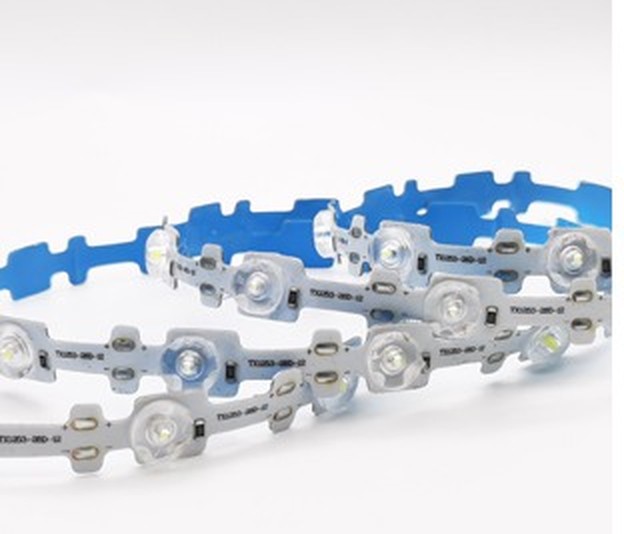
Lightbox Modules: 22% Fewer Modules at Higher Uniformity
How a UK sign fabricator cut lightbox module count 22% while lifting face uniformity from 71% to 89%, by pitching modules to box depth.
Read case study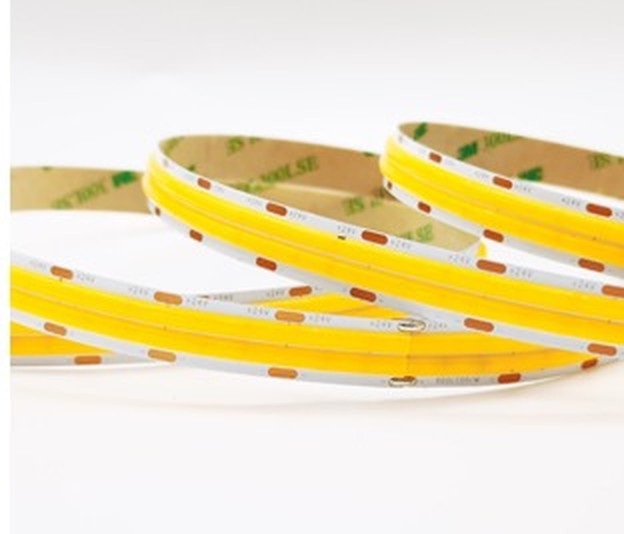
Retail Shelving Rollout: CRI 95 Strip Across 180 Stores in 11 Months
How a fashion retailer rolled out CRI 95 COB shelf strip to 180 stores in 11 months with one bin record, 4,800 reels and zero colour-match complaints.
Read case studyWhat a case study should prove
1. The starting condition
A case without a measurable failure is a brochure. Every study here opens with the rejection rate, the lead time or the cost position we were asked to fix.
2. The diagnosis
Most manufacturing problems are misdiagnosed as pricing problems. We show the measurement that separated the real cause from the assumed one.
3. The boundary
Each study ends with the volume or geometry range where the approach stops working. If your programme sits outside it, the honest answer is a different process.
Send a specification, get a quotation in 24 hours
Tell us the product type, run length, wattage, CCT, CRI and IP rating. You will receive a fixed price, a lead time, and the feed and driver arrangement in writing — no obligation, and no sales call unless you ask for one.